
Why this fits: Les disparues de la gare keeps the same slow moral pressure as The Witness, where one choice hardens into danger, but swaps apartment silence for a detective’s two-decade obsession and long-form dread.
- two-decade case
- missing persons
Taste-matched follow-ups
These picks stay near the ordinary man silence, slow-burn crime drama, and 1990s real-life case feel, then widen out into a few deeper cuts.
Closest matches first, then broader nearby picks.

Why this fits: Les disparues de la gare keeps the same slow moral pressure as The Witness, where one choice hardens into danger, but swaps apartment silence for a detective’s two-decade obsession and long-form dread.

Why this fits: Shetland delivers the same deliberate, small-town crime tension as The Witness, trading big-city urgency for community secrets and a detective’s personal stakes, with pacing that rewards quiet observation.

Why this fits: Uniformen matches The Witness’s focus on how a single incident spirals, using multi-perspective scrutiny and institutional blame to keep the pressure steady, colder, and more procedural than personal.

Why this fits: Delhi Crime leans into methodical police work and procedural casework, so next to The Witness’s ordinary man silence and desperate choices, you get an exhausted detective grind shaped by public outrage aftermath.

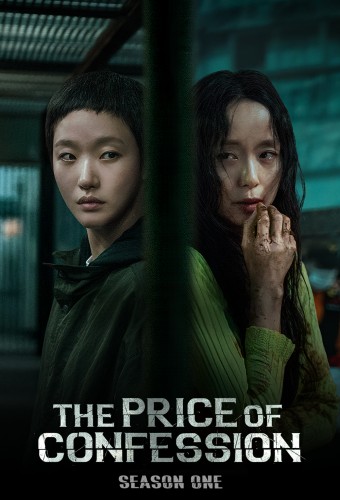
Why this fits: The Price of Confession brings courtroom-adjacent intrigue and withheld-information mystery, which pairs naturally with The Witness’s slow-burn crime drama but shifts the pressure toward credibility under fire and contained deception.

Why this fits: Human turns bureaucratic crime and a medical scam into slow-burn dread, offering a more institutional, moral-ambiguity kind of danger than The Witness’s consequence-driven thriller built around one man’s silence.
Need another angle?
If these picks still leave you wanting more, describe the tone, tension, or structure you want next.