

Maigret works as a procedural built around one detective's psychological method: no forensic spectacle, no frantic chases, just a senior Paris inspector reading people with unusual precision and wearing suspects down through patience. Each case is self-contained, so the satisfaction of resolution arrives within the episode rather than across a season arc.
Paris here is not backdrop decoration; its neighborhoods and social layers feed directly into how Maigret investigates, shaping who he talks to and what he understands about motive. The tone stays measured and serious throughout, and the pressure in each case comes not from physical danger but from whether Maigret can get close enough to the truth before a suspect closes off or a trail goes cold.
Best for
patient detective work, psychological crime solving and Mystery
Story lane
Mystery and Crime
Commitment
Season 2 · 1 episodes
Where
PBS
Official Premise
Chief Inspector Maigret is a rising star in the Paris Police Judiciaire, relentless in his investigations, with an uncanny ability to get under the skin of the criminals he is chasing and a matchless knowledge of Paris
Watch Next If This Is Your Lane
Start with the closest match, then check out two more shows with a similar feel, pace, mood, or theme.
Maigret’s patient detective work will feel familiar in Shetland, where quiet interviews and careful observation gradually expose what a close-knit community would rather keep hidden. Jimmy Perez’s deep ties to the islands make each case personal, while the remote landscape gives the series a more isolated, windswept feel than Paris.
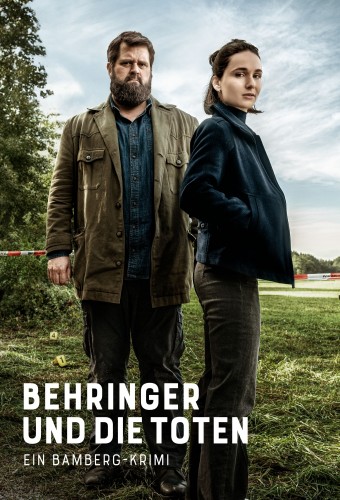
At the center of the crime series set in Bamberg, Franconia, is a "character with a razor-sharp mind" (Antoine Monot, Jr.), who is often underestimated by his opponents because of his comfortable appearance.
The pleasure of watching Maigret read people carries into Behringer und die Toten, where an underestimated detective quietly outthinks those who dismiss him. Its Bamberg cases unfold through steady procedural work and dry humor, giving the show a lighter, more playful feel than Maigret’s serious Paris investigations.
When a bridegroom is found dead days before his wedding, two police officers must unravel the troubling case as turbulence unfolds in their own lives and threatens to ruin the case.
Maigret’s measured investigations will appeal if you enjoy crime stories that let interviews, secrets, and small details build tension rather than relying on action. Kohrra follows that patient approach, but its detectives’ troubled home lives press into the case, making the mood darker and more emotionally bruised than Maigret’s focused Paris mysteries.